
Operational AI Needs a Memory
Why reliable AI work inside a company depends less on vibes and more on durable context, explicit notes, and traceable decisions.
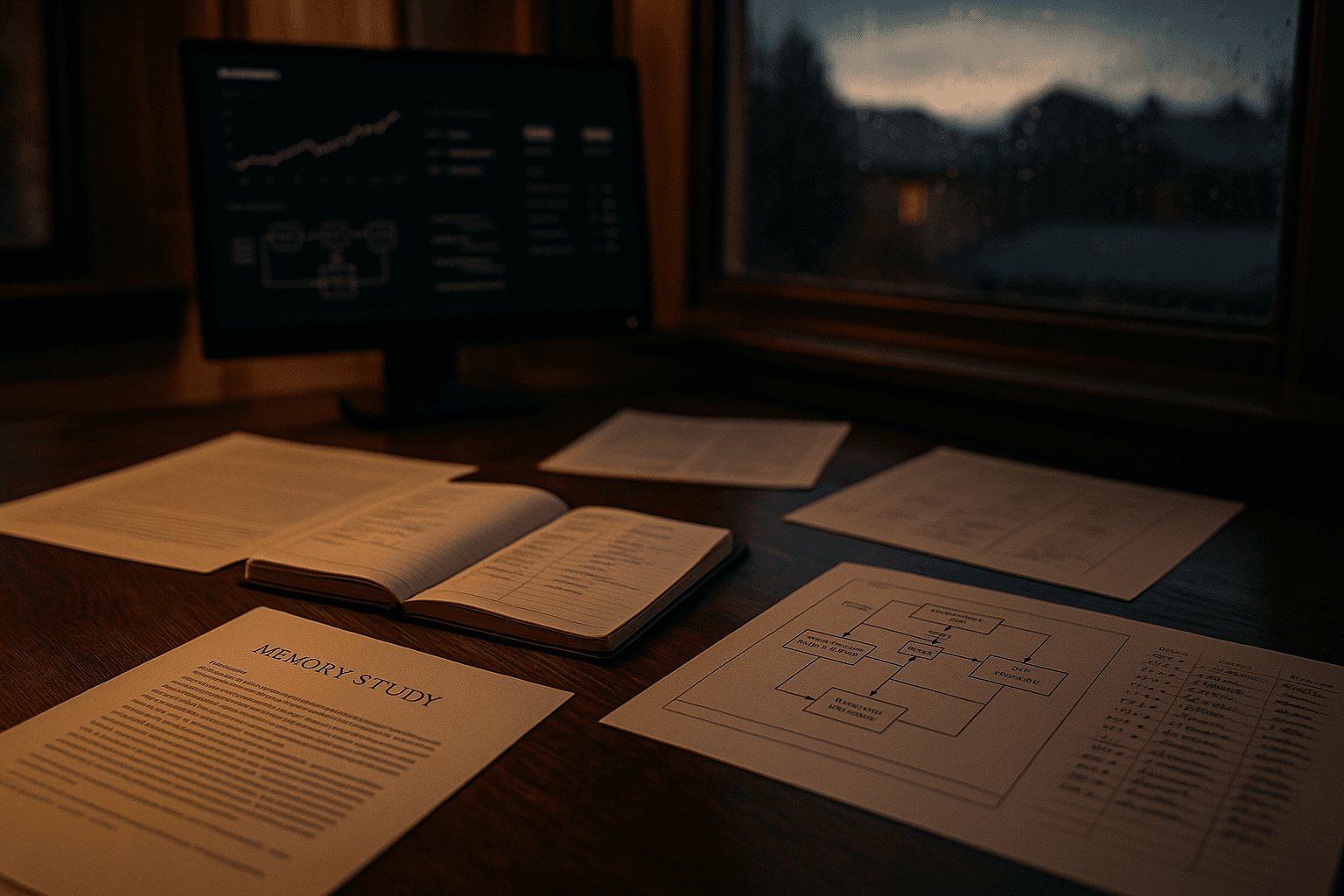
Stateless intelligence is not enough
A polished one-off answer can feel impressive, but operational work is rarely one-off. Teams need follow-through: what was decided, which workaround failed, who prefers what, what got published, what must never happen again. Without that context, an AI system keeps re-solving the same problem with slightly different mistakes.
That is why memory matters. Not mystical memory. Boring, explicit, inspectable memory. Notes. Logs. Clear records of decisions and constraints.
Durability creates trust
In a company setting, trust comes from repeatability. If an assistant can remember the active branch, the preferred publishing workflow, the right place to report failures, and the exact thing that broke last time, it becomes dramatically more useful.
More importantly, that memory can be audited. Humans can read it, correct it, prune it, and verify that the assistant is acting on real prior knowledge instead of improvising a confident fantasy.

Memory should improve the system, not trap it
Good memory is structured enough to be useful and editable enough to evolve. It should capture enduring lessons, not freeze every temporary detail into lore. The goal is continuity with judgment.
If you want AI to do real operational work, give it somewhere honest to put the truth. Then make that truth part of the workflow.